
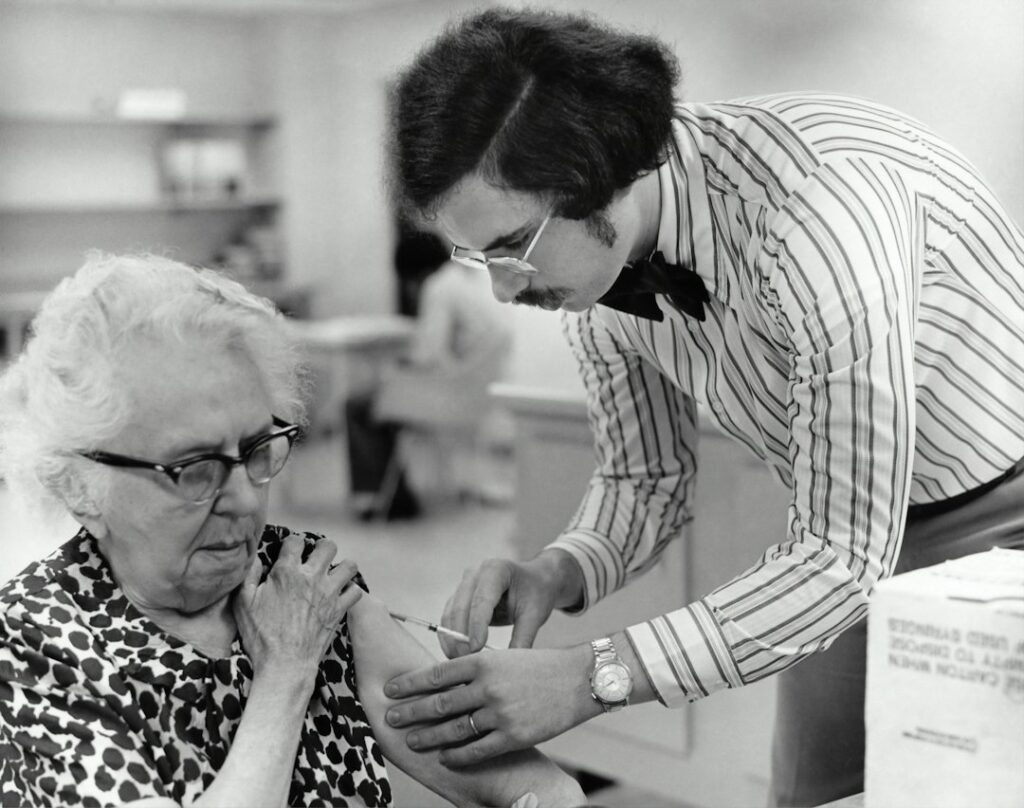
Assisted living in DuBois, PA is designed for adults who need help with daily activities, supervision, or certain health-related tasks but do not require the continuous medical care provided by a nursing facility. Services vary by residence and by a person’s support plan, so families should look beyond the word “assisted living” and ask exactly what care is available.
What health services are commonly available?
Most assisted living residences provide or arrange a combination of personal care, medication support, health monitoring, and coordination with outside medical providers. Common services include:
- Help with bathing, dressing, grooming, toileting, and eating
- Assistance with walking, transferring, positioning, and using mobility equipment
- Medication reminders, assistance with self-administration, or medication administration when permitted
- Monitoring of changes in health, behavior, appetite, weight, or mobility
- Help arranging medical appointments and transportation
- Coordination with physicians, nurses, therapists, pharmacies, and family members
- Emergency response and supervision around the clock
- Basic cognitive support for residents experiencing memory loss or confusion
- Access to or coordination of home health, hospice, therapy, behavioral health, or skilled nursing services when appropriate
The exact mix depends on the residence’s license, staffing, policies, and the resident’s assessed needs.
Does assisted living provide nursing care?
Some assisted living residences can provide or arrange supplemental health care services, but assisted living is not the same as a hospital or nursing home. A residence may have nurses available on site, on call, or through scheduled visits. Other care may be delivered by licensed professionals who work with the residence under contract or through an outside agency.
Possible nursing-related services may include:
- Checking vital signs or observing symptoms
- Wound care or skin monitoring
- Diabetes-related support
- Injections or other treatments allowed under applicable rules
- Catheter or ostomy support in situations the residence is equipped to manage
- Care planning after a hospital stay
- Monitoring a change in condition and communicating with a physician
- End-of-life or hospice coordination
Not every residence provides every service. A person with complex medical needs may be appropriate for assisted living only if the residence can safely meet those needs and has the proper arrangements in place.
How are medications handled?
Medication support is one of the most important health services to clarify before moving in. Residents may be able to keep and manage their own medications if they are capable of doing so safely. Others may need reminders, assistance opening containers, medication setup, or full administration by trained staff.
Medication policies may address:
- Prescription and nonprescription medications
- Insulin and diabetes supplies
- Medication storage and security
- Missed or refused doses
- Changes ordered after a doctor’s visit
- Pharmacy packaging and refill coordination
- Side effects, allergies, and medication errors
- Over-the-counter pain relievers, vitamins, and supplements
A family should ask who gives the medication, how often medication records are reviewed, and what happens when a prescription changes. In Pennsylvania, staff who administer certain medications must complete required training, but the availability of a trained employee at a particular time can still vary by residence.
What help is available after an illness or hospital stay?
Assisted living may help a resident return to normal activities after an illness, injury, or hospitalization. Support could include help with bathing, dressing, meals, walking, medication routines, and follow-up appointments.
Some residences coordinate with home health nurses or physical, occupational, and speech therapists. Therapy may help a person regain strength, improve balance, practice safer transfers, or adapt to changes in speech and swallowing.
A hospital discharge plan does not automatically mean that an assisted living residence can provide every recommended service. Before discharge, the family and care team should confirm:
- Whether the residence can provide the required treatment
- Whether additional nursing or therapy visits are needed
- Whether special equipment will fit safely in the apartment or room
- Whether the resident can be evacuated safely during an emergency
- Who will communicate updates to the physician and family
This planning is especially useful during winter, when snow, ice, and travel conditions can complicate appointments and outside provider visits in the area.
Can assisted living support memory loss or dementia?
Many residences provide basic cognitive support, such as reminders, routines, cueing, supervision, and activities that encourage familiarity and participation. Some have designated areas or specialized programs for residents with Alzheimer’s disease or other cognitive impairments.
Families should ask about:
- How staff respond to wandering or exit-seeking
- Whether the building has secured areas
- How nighttime confusion is handled
- What happens if a resident becomes distressed or verbally upset
- How changes in memory, mood, or behavior are documented
- Whether the residence can continue care as needs increase

Memory support is not identical from one setting to another. A residence may assist with routine tasks but may not be equipped for severe behavioral symptoms, advanced medical needs, or continuous one-to-one supervision.
Are therapy, hospice, and behavioral health services included?
These services may be available through the residence, arranged with outside providers, or billed separately. Physical therapy can address walking and balance. Occupational therapy can help with dressing, bathing, transfers, or adapting daily routines. Speech therapy may address communication, cognition, or swallowing.
Hospice services may be coordinated when a resident has a qualifying terminal illness and chooses comfort-focused care. Hospice staff generally work alongside residence staff rather than replacing all daily personal care.
Behavioral health support may include evaluation, counseling, psychiatric care, or monitoring of anxiety, depression, sleep problems, or changes in behavior. The scope of support depends on the resident’s condition and the professionals available in the community.
What is usually not included?
Assisted living generally does not provide the same level of continuous skilled nursing care as a nursing facility. A resident may need a different level of care if there is a need for constant medical monitoring, frequent complex treatments, mechanical ventilation, or care that staff cannot safely provide.
A residence may also limit services involving:
- Advanced wound care
- Continuous intravenous treatment
- Unstable medical conditions
- Extensive behavioral support
- Total dependence for transfers without appropriate equipment
- Needs that make emergency evacuation unsafe
These limits are not necessarily a sign of poor care. They reflect licensing requirements, staffing capabilities, building design, and the difference between residential care and institutional nursing care.
Which questions should families ask before choosing a residence?
A written service description and resident agreement should explain what is included, what costs extra, and what happens if care needs change. Useful questions include:
- Is a nurse available on site, on call, or only by scheduled visit?
- Who assesses a resident’s care needs?
- How often is the support plan reviewed?
- Can staff administer medications?
- Are therapy, hospice, and home health visits permitted?
- What services are available overnight and on weekends?
- How are falls, medication errors, and changes in condition handled?
- What care cannot be provided?
- How are additional services charged?
- What circumstances could require a move to a nursing facility?
In DuBois, families may also want to consider travel time for medical appointments, winter driving conditions, and whether relatives can visit regularly. A residence that meets a person’s needs today should also have a clear process for reassessing care as health, mobility, or memory changes.
