
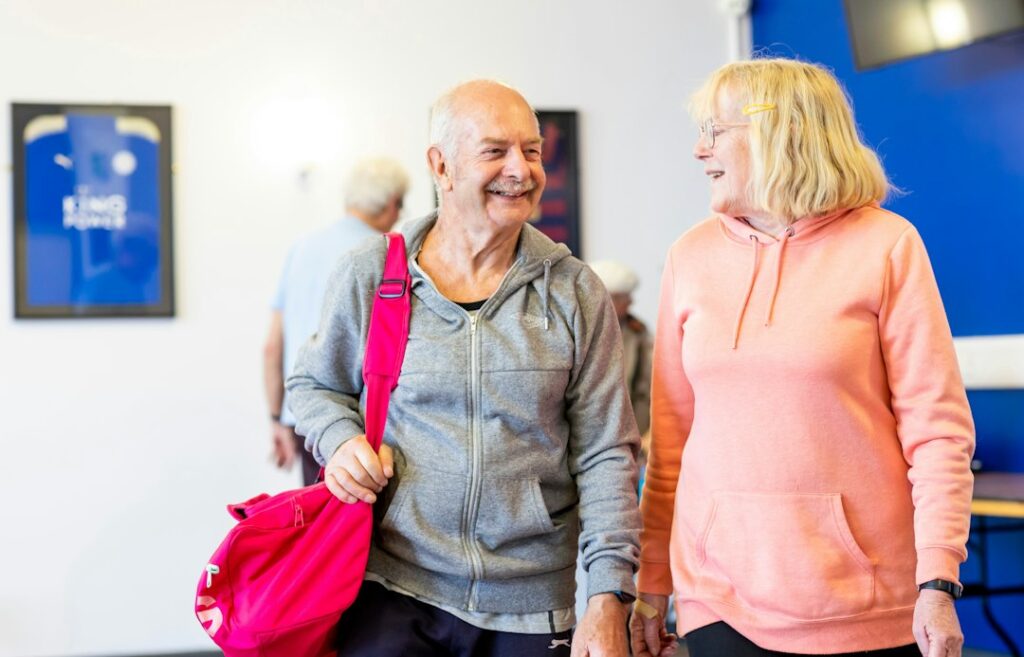
What does an active lifestyle mean in assisted living?
An active lifestyle in assisted living means having regular opportunities to move, participate, socialize, and make everyday choices—not simply following a formal exercise program. Activity can include walking to meals, joining a group, gardening, attending a discussion, helping with a household task, or spending time outdoors.
For residents in DuBois, PA, staying active may require flexibility because weather, mobility changes, and health conditions can affect daily routines. A well-designed assisted living environment supports movement and engagement throughout the day while allowing residents to choose activities that match their abilities and interests.
How does assisted living encourage daily movement?
Assisted living communities are generally arranged to make ordinary movement part of the day. Residents may walk between private living spaces, dining areas, activity rooms, lounges, gardens, and outdoor paths. These short trips can add up, especially for people who may otherwise spend much of the day seated at home.
Daily movement may include:
- Walking to meals instead of eating alone in a room
- Moving between scheduled activities
- Taking supervised walks indoors or outdoors
- Practicing standing, reaching, or balance during group activities
- Helping arrange tables, fold towels, or care for plants
- Using common areas for conversation rather than remaining isolated
These activities are not intended to replace individualized medical exercise. Their value is that they make movement more natural and less intimidating.
What types of exercise programs are available?
Programs vary, but many assisted living settings offer activities designed for different mobility levels. Gentle exercise classes may include seated stretching, range-of-motion movements, light strengthening, breathing exercises, or balance practice.
Some residents may be able to participate in walking groups or standing exercise. Others may benefit from seated versions of the same movements. A useful program avoids treating age or disability as a reason to exclude someone. Instead, exercises can be adjusted by changing the pace, duration, position, or amount of support.
Common examples include:
- Chair-based stretching
- Guided walking
- Low-impact strength exercises
- Balance and posture practice
- Music-and-movement sessions
- Tai chi or similar slow, controlled movements
- Seasonal outdoor walks when conditions are suitable
Residents should follow any movement restrictions provided by their healthcare team. New pain, dizziness, unusual shortness of breath, or sudden weakness should be reported rather than pushed through.
Can social activities help residents stay physically active?
Yes. Social engagement often gives residents a reason to get up, leave their rooms, and move through the community. A person who is not interested in “exercise” may still enjoy attending a craft group, playing a game, participating in a discussion, or joining a music activity.
Group activities also support motivation. Residents may be more likely to attend a walking group or exercise class when familiar people are present. Conversation can make movement feel purposeful instead of repetitive.
Social activities that may include light physical movement include:
- Dancing or listening-and-movement programs
- Gardening and plant care
- Cooking demonstrations with simple participation
- Holiday decorating
- Indoor games that involve reaching or walking
- Community gatherings held in different areas of the building
The social benefit matters because loneliness and inactivity can reinforce each other. Regular interaction may help residents maintain confidence and interest in daily routines.
How do outdoor activities work in a climate with changing seasons?
Seasonal planning is especially relevant in DuBois. Snow, ice, cold temperatures, rain, and shorter winter daylight can make outdoor walking unsafe or uncomfortable for part of the year. Assisted living settings can encourage activity by offering safe indoor alternatives when outdoor conditions are poor.
During warmer months, residents may enjoy patios, gardens, walking areas, or outdoor seating. In colder months, indoor hallways and common areas may provide space for walking, stretching, games, and social programs.
Safe seasonal activity may require attention to:
- Uneven pavement, ice, or wet surfaces
- Appropriate footwear and outerwear
- Heat, sun exposure, and hydration
- Visibility during shorter daylight hours
- Rest areas for residents who tire easily
- Indoor routes when weather changes suddenly

Outdoor activity should be enjoyable, not a test of endurance. A short walk with a rest break can be more appropriate than a long distance.
How can assisted living support residents with limited mobility?
Active living is not limited to people who can walk independently. Residents who use wheelchairs, walkers, canes, or other mobility aids can often participate through adapted activities.
Staff may help residents reach activity areas, position equipment safely, or modify movements. Seated exercises can work the arms, legs, shoulders, and trunk. Residents may also remain active through conversation, creative work, sensory activities, and decision-making.
For someone with limited mobility, meaningful activity might include:
- Propelling a wheelchair safely over an appropriate route
- Performing seated leg or arm movements
- Reaching for objects during a game or craft
- Participating in gardening from a raised container
- Helping choose music, decorations, or group activities
- Practicing transfers or standing only as approved and supported
The goal is participation at an appropriate level, not comparison with other residents.
Does active living include mental and emotional activity?
It does. Physical movement is only one part of an active lifestyle. Reading groups, memory games, art, music, religious observance, learning programs, and conversations can help residents remain mentally engaged.
Purposeful roles may be particularly valuable. A resident might welcome new neighbors, help select a movie, organize photographs, care for a small plant, or contribute ideas for an activity calendar. These responsibilities can support confidence and a sense of belonging.
Emotional activity also includes maintaining relationships. Visits, phone calls, shared meals, and group conversations may encourage residents to participate more fully in the rest of the day.
How can families encourage an active routine?
Families can support active living by asking what the resident enjoys rather than focusing only on exercise. A preference for music, animals, crafts, sports, cooking, or local history may provide a natural starting point.
Helpful questions include:
- Which activities does the resident attend willingly?
- What time of day is energy usually highest?
- Are there movements that cause discomfort or fear?
- Does the resident prefer groups or one-on-one participation?
- What changes would make an activity easier to join?
Comfortable clothing, supportive footwear, familiar music, and encouragement without pressure can also help. Activity should remain connected to the resident’s preferences, abilities, and health needs.
What should residents look for in an active living program?
A strong program offers variety, adaptation, and choice. It should include opportunities for movement, social connection, outdoor time when safe, and quiet interests for residents who prefer less stimulation.
Residents and families may want to ask whether activities are adjusted for different abilities, how weather affects outdoor plans, whether walking routes include rest areas, and how new health limitations are handled.
The most sustainable routine is usually made up of manageable activities repeated regularly. Assisted living can provide the structure, accessible spaces, and social opportunities that make staying active more realistic, even as a resident’s strength, balance, or interests change.
