
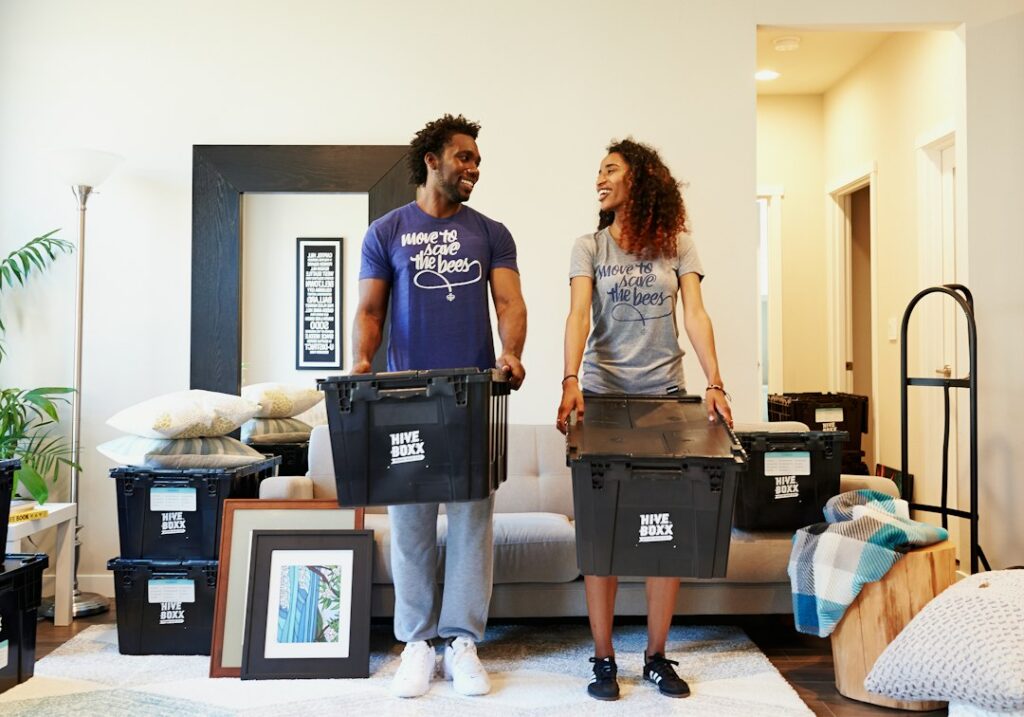
Moving into assisted living often feels easier when belongings are chosen with daily routines in mind. The goal is not to recreate an entire household, but to bring the clothing, personal items, documents, and familiar objects that support comfort, safety, and independence.
For residents in DuBois, seasonal weather also deserves attention. Cold winters, changing temperatures, and wet conditions make layered clothing, warm outerwear, and practical footwear especially useful.
What should be packed first?
Start with the items needed during the first few days, then add belongings that make the living space feel familiar. A clearly labeled overnight bag can prevent unnecessary unpacking during move-in.
Pack these essentials where they are easy to reach:
- Several changes of comfortable clothing
- Pajamas and a robe
- Toiletries and personal hygiene supplies
- Prescription medications in their original containers
- Glasses, hearing aids, dentures, and storage cases
- Phone, charger, and important contact information
- Comfortable shoes with secure, non-slip soles
- A light jacket or sweater
- Basic paperwork and identification
A small bag for the first night may include a change of clothes, toothbrush, medications, tissues, water bottle, and any item that helps with relaxation or sleep.
How much clothing is enough?
Most residents need enough clothing for about one to two weeks, depending on laundry arrangements. Packing too much can make drawers crowded and increase the chance of clothing being misplaced.
Useful clothing includes:
- Five to seven pairs of pants or other comfortable bottoms
- Seven to ten shirts or tops
- Several pairs of socks and undergarments
- Two or three nightclothes outfits
- Two sweaters, cardigans, or fleece layers
- One or two comfortable outfits for appointments or gatherings
- A warm coat, hat, gloves, and scarf
- Indoor shoes and weather-appropriate outdoor shoes
- Several sets of clothing suitable for physical activity, if applicable
Choose clothing that is easy to put on and remove. Elastic waistbands, front-opening shirts, and soft fabrics may be helpful for residents with limited hand strength, arthritis, balance concerns, or memory changes.
For winter conditions, avoid relying on one heavy garment alone. Layers are easier to adjust indoors, where temperatures may feel warmer than outside.
Should clothing and personal items be labeled?
Yes. Labels are especially helpful in settings where laundry is handled communally or where several residents may own similar items. Mark clothing, shoes, coats, towels, eyeglass cases, and mobility accessories with the resident’s name.
Use labels that are easy to read and firmly attached. A family member should also keep a simple inventory of clothing and valuables. This makes it easier to identify missing items without bringing unnecessary concern to the resident.
Avoid packing large amounts of expensive jewelry, cash, or irreplaceable belongings. A few meaningful pieces may be appropriate, but sentimental items should be chosen carefully.
What personal items make a new room feel comfortable?
Familiar objects can reduce the stress of moving and help a new room feel personal. The most useful items are usually those connected to daily routines, memories, or hobbies.
Consider bringing:
- Framed family photographs
- A familiar blanket or small quilt
- Favorite books, magazines, or large-print reading material
- A clock with clear numbers
- A small calendar
- A radio, music player, or other familiar entertainment device
- Handheld hobbies such as knitting, puzzles, drawing, or cards
- A few decorative items that are meaningful but not fragile
- A comfortable pillow, if permitted
- A small lamp, if the room’s electrical setup allows it
Before packing furniture or decorations, check the room’s size and the community’s rules. Walkways, doorway clearance, and access to emergency equipment must remain unobstructed.
What bathroom and hygiene supplies are needed?
Many assisted living settings provide some basic supplies, but residents may still prefer familiar products. Confirm what is included before purchasing or packing large quantities.
Common personal-care items include:
- Toothbrush, toothpaste, and denture supplies
- Comb, brush, shampoo, and skin moisturizer
- Electric or manual shaving supplies
- Deodorant
- Nail-care items
- Makeup or grooming products, if used
- Tissues
- Incontinence supplies, if needed and not provided
- Bathrobe and non-slip shower footwear
Avoid loose rugs, slippery mats, or complicated bathroom accessories unless the living arrangement specifically permits them. Safety is more important than matching the room’s previous setup.
What medications and health equipment should be brought?
Prescription medications should generally remain in their original pharmacy-labeled containers. Do not combine pills into unmarked containers for the move. Bring an up-to-date medication list that includes names, doses, schedules, allergies, and prescribing information.
Also pack:
- Glasses and a backup pair, if available
- Hearing aids, batteries, and storage containers
- Dentures, cleaning supplies, and labeled cases
- Walking cane or other approved mobility equipment
- Blood glucose equipment, if used
- Medical alert devices, if applicable
- A list of emergency contacts and health-care preferences

Medication administration procedures differ by residence, so instructions should be clarified before move-in. Some settings manage medications directly, while others have different arrangements based on the resident’s needs and the level of care provided.
Which documents should be kept accessible?
Important documents should be gathered in one clearly marked folder rather than scattered among packed boxes. Keep copies when appropriate and avoid placing original documents in ordinary luggage.
Useful records may include:
- Government identification
- Insurance cards
- Emergency contact information
- Physician and pharmacy details
- Advance directive or health-care decision documents
- Financial or payment information required for admission
- A current medication and allergy list
- Copies of legal authorization documents, if someone assists with decisions
A designated family member or trusted individual should know where these records are kept.
What should not be packed?
Some belongings create clutter, safety risks, or confusion. Avoid bringing items that are difficult to maintain or that interfere with mobility.
Use caution with:
- Space heaters, heating pads, candles, and open-flame items
- Extension cords and overloaded power strips
- Large appliances
- Throw rugs
- Unapproved medical equipment
- Fragile valuables
- Excessive furniture
- Perishable food
- Weapons or restricted items
- Strongly scented products that may bother other residents
Rules vary by residence, so the packing plan should follow the written move-in guidelines. Items that seem harmless at home may be restricted in a shared living environment.
How can packing be organized before moving day?
Pack by purpose instead of putting everything into mixed boxes. Mark containers such as “first night,” “bathroom,” “clothing,” “medications,” and “room decorations.” This allows essential items to be found quickly.
A practical sequence is:
1. Confirm what the residence provides.
2. Measure the room and identify furniture limits.
3. Prepare medications and documents separately.
4. Label clothing and personal equipment.
5. Pack a first-night bag.
6. Create a list of valuables and essential items.
7. Set aside belongings that should remain at home.
8. Review the final list with the resident.
The resident should participate in decisions whenever possible. Choosing familiar clothing, photographs, books, and personal comforts can help preserve a sense of control during a major transition.
What is the most commonly forgotten item?
Small daily-use items are often overlooked: phone chargers, hearing-aid batteries, reading glasses, dentures supplies, preferred toiletries, slippers, and a laundry bag. Seasonal accessories are also easy to miss, particularly gloves, hats, rainwear, and warm socks during colder months.
The best packing list reflects the resident’s actual habits rather than an idealized version of daily life. Comfort, safety, identification, and familiarity matter more than bringing a large number of possessions.
