

Assisted living technology is designed to support daily care, safety, communication, and independence. It does not replace personal attention. Instead, the right tools can help residents manage routines, help staff notice changes earlier, and give families clearer information without requiring constant phone calls or in-person visits.
For residents and families in DuBois, technology may be especially useful during winter weather, periods of limited travel, or times when relatives live outside the immediate area. The most helpful systems are practical, easy to use, and matched to a person’s abilities and preferences.
What types of technology are used in assisted living?
Assisted living communities commonly use technology for communication, health monitoring, medication support, emergency response, and activities. Some tools are visible to residents, while others operate behind the scenes.
Examples may include:
- Emergency call pendants, wall buttons, or wearable devices
- Motion sensors and door alerts
- Electronic medication records and dispensing reminders
- Video or phone communication with family members
- Digital care plans and shift-to-shift reporting systems
- Electronic health records
- Tablets or touch-screen devices for activities and communication
- Automated lighting, temperature controls, and voice-activated features
- Transportation, meal, and activity scheduling systems
Not every resident needs every tool. Technology should be selected according to mobility, memory, vision, hearing, comfort with devices, and personal wishes.
How can technology improve resident safety?
Technology can shorten the time between a problem and a response, especially when a resident cannot reach a telephone or call for help. A wearable emergency device may allow someone to request assistance after a fall, sudden illness, or other urgent event.
Motion sensors can sometimes identify unusual changes, such as a resident leaving a room at an unexpected time or remaining in one place for an unusually long period. Door alerts may be useful for people who are at risk of wandering. These systems are not intended to control residents. Their purpose is to alert staff so that a person’s safety can be checked.
Technology can also reduce environmental hazards. Automatic night lighting may make it easier to find the bathroom. Sensors may help identify water leaks, extreme room temperatures, or doors left open during cold weather.
No system is perfect. Devices can lose power, become disconnected, or be misunderstood. Staff response procedures and regular in-person checks remain essential.
Can technology help with medication management?
Yes. Digital medication systems can help organize prescriptions, document administration, and identify missed or delayed doses. Some systems provide reminders, while others restrict access to medication until the scheduled time.
This support can be valuable for residents who take several medications or whose prescriptions change frequently. Electronic records may also make it easier for authorized caregivers to review medication histories and communicate about possible concerns.
Technology does not eliminate the need for careful medication review. Residents and families should still understand:
- Which medications are being taken and why
- What happens if a dose is missed
- Who updates the medication list after a doctor’s visit
- How over-the-counter products and supplements are recorded
- How medication allergies or side effects are documented
A current medication list is particularly useful when a resident visits a hospital, urgent care setting, or another medical provider.
How does technology support communication with families?
Video calls, secure messaging, digital calendars, and shared updates can help families stay connected. A resident may use a tablet or another simple device to speak with relatives, join a family event remotely, or receive photos and messages.
For residents who have hearing or vision changes, accessibility features may be more important than advanced functions. Larger text, brighter displays, captions, amplified sound, and simplified menus can make communication easier.
Family communication should still respect the resident’s privacy and preferences. A resident may want frequent updates, limited contact, or control over who receives information. Consent and confidentiality matter even when technology makes sharing information convenient.
Families should also ask how communication systems are protected. Sensitive health details should not be sent through ordinary text messages or unsecured email unless the resident or authorized representative understands the risks.
Does technology replace human care?
No. Technology can support care, but it cannot replace observation, conversation, judgment, or compassion. A sensor may show that a person got out of bed, but it cannot explain whether the resident is confused, in pain, anxious, or simply following a normal routine.
Personal interaction also helps staff notice subtle changes. A resident who speaks less than usual, skips a favorite activity, or appears unusually tired may need attention even when no device sends an alert.
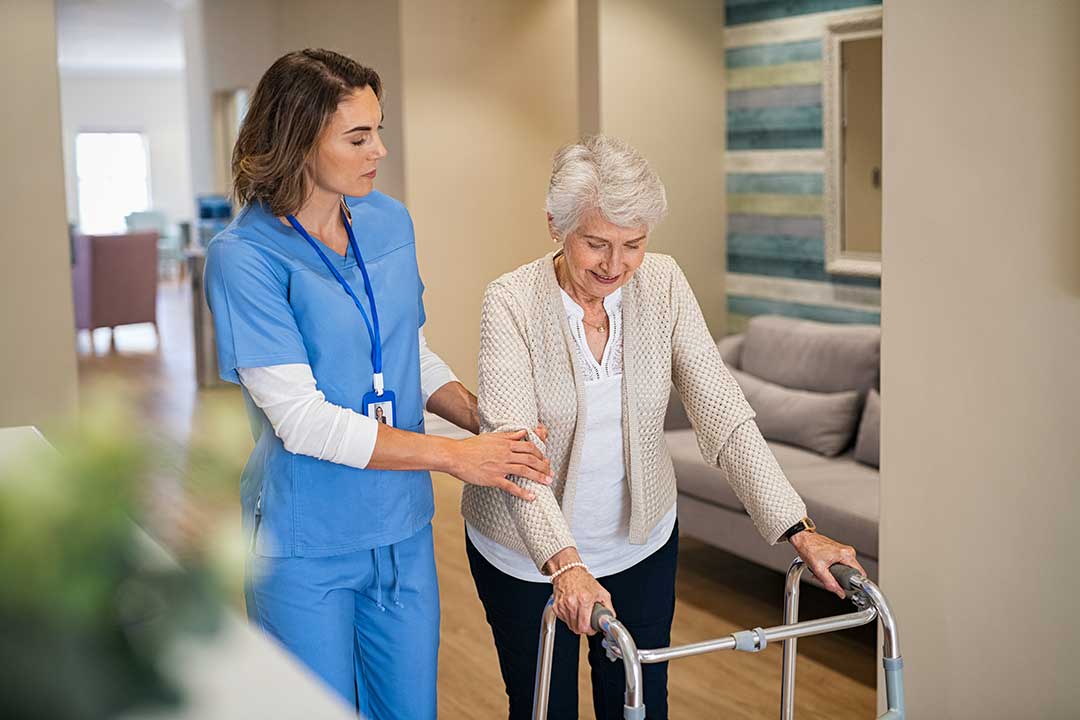
The strongest approach combines digital information with regular human contact. Technology should help staff spend time more effectively, not become a reason to reduce meaningful interaction.
What should residents and families ask before using a device?
Before accepting or purchasing a technology-based service, residents and families should ask practical questions about purpose, privacy, reliability, and cost. Useful questions include:
- What problem is this device intended to solve?
- Who receives an alert, and how quickly is it reviewed?
- What happens if the device loses power or internet access?
- Is the device worn, placed in a room, or used through a phone?
- Can the resident turn it off or request that it be removed?
- What information is collected?
- Who can see the information, and how long is it stored?
- Is there a monthly fee, equipment charge, or replacement cost?
- Who explains the device and provides help if it stops working?
- What is the backup plan if the system fails?
A device that is complicated, uncomfortable, or difficult to maintain may not provide meaningful help. Simplicity is often more valuable than a long list of features.
Are privacy and consent concerns different in assisted living?
Privacy concerns become more significant when devices monitor movement, location, health information, or room activity. Residents should be told what is being monitored, why it is being monitored, and who may receive the information.
Consent should be appropriate to the resident’s ability to make decisions. If a representative is involved, the resident’s preferences should still be considered as much as possible. Families should avoid placing cameras or recording devices in private areas without understanding applicable rules and obtaining the necessary permission.
Technology should be used for a clear care or safety purpose, not simply because monitoring is available. Residents deserve dignity, reasonable privacy, and an opportunity to ask questions.
How can local conditions affect technology use?
Seasonal weather can influence how dependable technology is. Winter storms, power interruptions, icy walkways, and limited travel may make emergency communication and backup planning especially important. Devices that depend on electricity or internet service should have a clear plan for outages.
Households also vary in internet access, cellular coverage, and familiarity with digital tools. A resident who has never used a smartphone may need a basic device with a few large buttons rather than a complex application. Family members may need to help with charging, passwords, software updates, and troubleshooting.
The technology plan should fit the person’s real environment. A system that works well in a quiet private apartment may need adjustment in shared spaces or during group activities.
How should residents evaluate whether technology is actually helping?
The best measure is whether the tool improves safety, comfort, independence, or communication without creating unnecessary stress. After a device is introduced, residents and families can consider:
- Is the resident using it consistently?
- Are alerts accurate, or are they causing frequent false alarms?
- Does the device make daily routines easier?
- Is the resident more connected with family or caregivers?
- Has privacy been respected?
- Can staff explain what the system is showing?
- Is there a reliable backup when the technology does not work?
Technology in assisted living is most effective when it remains understandable, optional where appropriate, and connected to thoughtful human care. For residents in DuBois, the practical goal is not to use the newest device. It is to choose tools that fit daily life, seasonal conditions, personal abilities, and the resident’s own definition of feeling safe and independent.
